


stem cells
Obama Inauguration: A Positive Change in Federal Stem Cell Research Policies
submitted by: CIRMTV
On March 9, 2009, President Barack Obama signed an executive order to lift a ban on federal funding for embryonic stem cell research that had been in place since August, 2001. In this video, Susan Fisher, director of the UCSF Human Embryonic Stem Cell Center, and Alan Trounson, president of the California Institute for Regenerative Medicine, discuss how the federal ban affected stem cell researchers and how President Obama's stem cell research policies will bring new opportunities in this field.
Jerome Zack Talks About Creating iPS Cells
submitted by: CIRMTV
In 2006 scientists learned how to create a pluripotent stem cell out of a human skin cell. These cells, called induced pluripotent stem (iPS) cells have many of the characteristics of embryonic stem cells including the ability to create mature cell types. Dr. Jerome Zack has a CIRM grant to create iPS cells that could be used in human therapies. Zack is Associate Director, UCLA AIDS Institute, professor of Medicine, Microbiology, Immunology & Molecular Genetics, and a scientist with the Eli...
Alan Lewis: Embryonic Stem Cell Therapies for Diabetes

submitted by: CIRMTV
Embryonic stem cells have the potential to help treat 70 or more diseases, but developing those new therapies will take time. Alan Lewis is president and CEO of Novocell, a La Jolla-based company that has been developing a potential therapy for diabetes. Novocell has a CIRM grant to assemble a team of researchers who will accelerate the time it takes to get that potential therapy to the FDA for clinical trials.
Mark Mercola: Differentiating Embryonic Stem Cells into Adult Tissues

submitted by: CIRMTV
A major challenge in developing stem cell-based cures for disease is maturing those cells into adult cell types that can be used for transplantation or to study human disease. Mark Mercola has a CIRM grant to derive heart muscle cells from embryonic stem cells. In this video, Dr. Mercola describes how stem cells could one day be used for transplantation, for testing new drugs for side effects on heart muscle cells, and to learn about how the heart cells mature and develop. That knowledge...
Control and Regulation of Stem Cells with Leonard Zon Interviewed by Catherine Cormier
submitted by: Cold Spring Harbor Laboratory
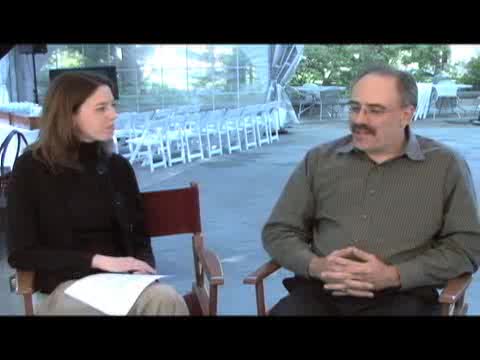
Dr. Leonard Zon is internationally recognized for his pioneering work in the fields of stem cell biology and cancer genetics. He received his MD from Jefferson Medical College, Philadelphia. He is founder and former president of the International Society for Stem Cell Research and chair of the Executive Committee of the newly formed Harvard Stem Cell Institute (HSCI). In 2005, Dr. Zon was elected to the Institute of Medicine of the National Academies. He recently completed a term as President...
Control and Regulation of Stem Cells with Richard Young Interviewed by Catherine Cormier
submitted by: Cold Spring Harbor Laboratory
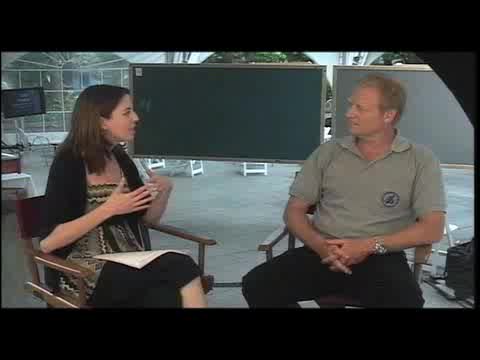
Richard Young’s research combines novel high-throughput biological methods with new computational techniques to investigate the mechanisms that control genes in living cells. Recent results from his group include the discovery of the core regulatory circuitry of human embryonic stem cells and insights into the mechanisms that control human development. Dr. Young believes that knowledge of regulatory circuitry will provide the foundation for future therapeutic strategies against major human...
Control and Regulation of Stem Cells with Max S. Wicha Interviewed by Jan Witkowski

submitted by: Cold Spring Harbor Laboratory
Dr. Max S. Wicha is the founding Director of the University of Michigan Comprehensive Cancer Center and distinguished professor of oncology. His lab was part of the team that first discovered stem cells in breast cancer, the first described in any human solid tumor. He is a leading expert in normal and malignant breast stem cells. Dr. Wicha is also active as a clinician, specializing in the treatment of breast cancer.
Control and Regulation of Stem Cells with Irving L. Weissman Interviewed by Catherine Cormier
submitted by: Cold Spring Harbor Laboratory
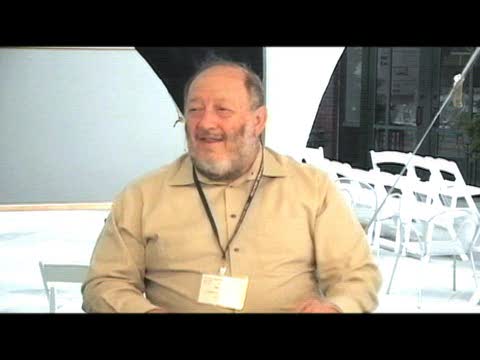
Irving L. Weissman, M.D., is the Director of the Stanford Institute for Stem Cell Biology and Regenerative Medicine, Director of the Stanford Cancer Center and Director of the Stanford Ludwig Center for Stem Cell Research. Dr. Weissman was a member of the founding Scientific Advisory Boards of Amgen (1981-1989), DNAX (1981-1992), and T-Cell Sciences (1988-1992). He co-founded SyStemix in 1988, StemCells in 1996, and Celtrans (now Cellerant), the successor to SyStemix, in 2001. He is a...
Control and Regulation of Stem Cells with Fiona Watt Interviewed by Jan Witkowski

submitted by: Cold Spring Harbor Laboratory
Fiona Watt obtained her undergraduate degree from Cambridge University and her DPhil from the University of Oxford. She was a postdoctoral fellow with Howard Green at MIT and it was there that she first studied mammalian epidermis. After running a lab in London for many years, she moved to Cambridge in 2007. She is deputy director of the Cancer Research UK Cambridge Research Institute and the Wellcome Trust Centre for Stem Cell Research.
Fiona Watt’s long standing research interest is in...
Control and Regulation of Stem Cells with Amy Wagers Interviewed by Richard Sever

submitted by: Cold Spring Harbor Laboratory
Dr. Amy Wagers is an Investigator in the Section on Developmental and Stem Cell Biology at Joslin Diabetes Center as well as an Assistant Professor in the Department of Stem Cell and Regenerative Biology at Harvard University and a Principal Faculty member of the Harvard Stem Cell Institute. She received her doctoral degree in Immunology and Microbial Pathogenesis from Northwestern University, and completed postdoctoral fellowship training in the laboratory of Dr. Irving Weissman, M.D., at...